
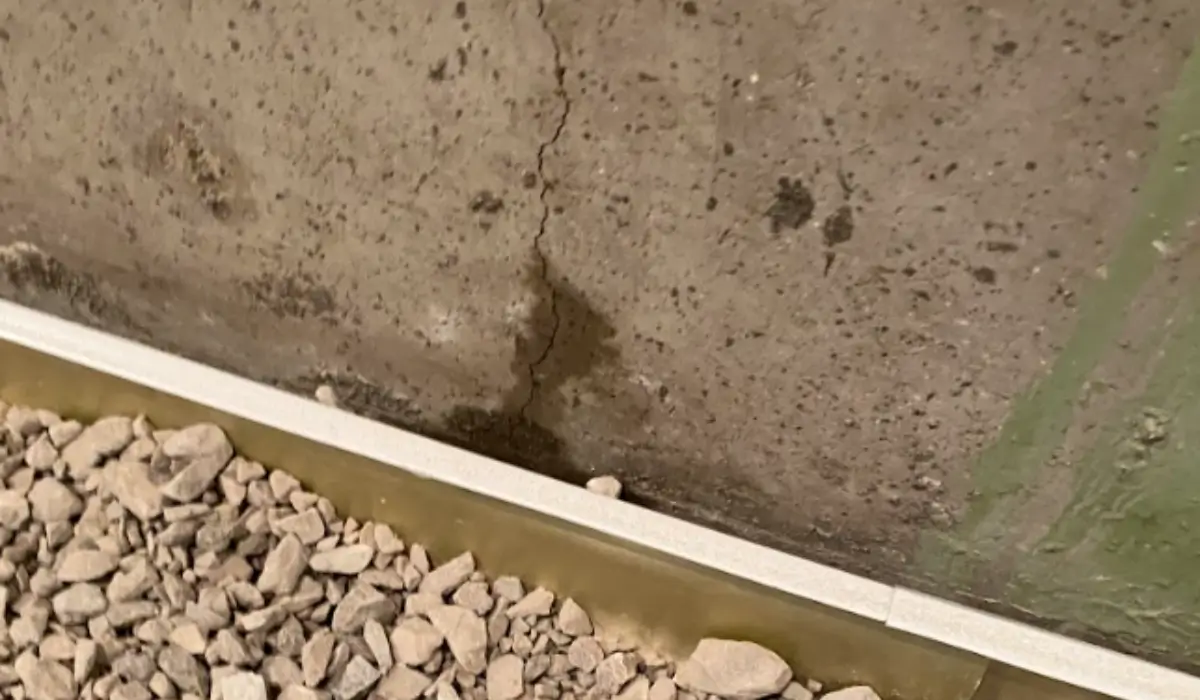
Winter Isn’t Just Cold—It’s Hard on Your Foundation
Foundation movement often begins without warning. In Glen Ellyn, subtle signs like sticky doors or wall cracks tend to surface in late fall—then worsen as freezing and thawing cycles cause soil to shift and pressure to build beneath your home. Premium Waterproofing, a local expert in foundation repair, sees a sharp rise in cold-weather damage each winter as this hidden stress leads to structural problems.
The shifts rarely happen evenly. One section of the foundation might remain stable while another lifts or settles. That imbalance leads to stress across walls, floors, and framing—stress that only increases as temperatures continue to fall.
Noticing signs of movement near your basement or crawl space?
Waiting through winter can turn small cracks into serious repairs.
Call (630) 879-6116 now to get expert insight before freezing temperatures make things worse.
Foundation movement during winter isn’t random. It’s a reaction to specific environmental stressors—especially in places like Glen Ellyn, where soil conditions and freezing temperatures create the perfect storm for shifting foundations.
As temperatures drop below freezing, moisture in the soil turns to ice—sometimes forming upward-growing structures like needle ice, which are a visible result of capillary action in freeze-prone ground. Since ice expands by about 9%, even a small amount of frozen water can lift the soil—and in some cases, lift the foundation by several inches.
What makes frost heave dangerous is the repetitive freeze-thaw cycle. As the ice melts during warmer spells, the soil contracts again. This constant up-and-down motion puts uneven stress on:
Homes built on clay-heavy soil are especially vulnerable. Clay holds more water, making it more likely to freeze, expand, and trigger movement. Over time, that movement leads to deep wall cracks or bowed basement walls—both early signs of developing foundation problems.
Frozen water doesn’t just push upward—it pushes outward too. When moisture freezes in the soil next to your basement, it creates lateral pressure against the foundation walls.
Here’s what happens:
Older homes are especially at risk without modern footing drains or reinforced wall systems, leaving basement walls vulnerable to increasing basement soil pressure during freezing conditions.
This kind of movement usually builds slowly, which is why regular monitoring matters. Gradual movement is often harder to detect—but just as damaging over time.
When temperatures rise after a deep freeze, the snow doesn’t just disappear—it soaks into the ground. But if the soil is still frozen beneath the surface, that moisture has nowhere to go. The excess water quickly builds up, and the ground becomes overloaded.
Yards that slope toward the house and downspouts that release water too close to the foundation often lead to pooling along basement walls. Homes lacking proper drainage systems, sump pumps, or basement waterproofing near me solutions are usually the first to show signs of moisture intrusion and long-term water damage.
By the time spring arrives, Glen Ellyn homeowners often find damage that began months earlier. Cracks, leaks, or shifting walls are common during inspections right after the final thaw—and they typically trace back to soil saturation from melting snow.
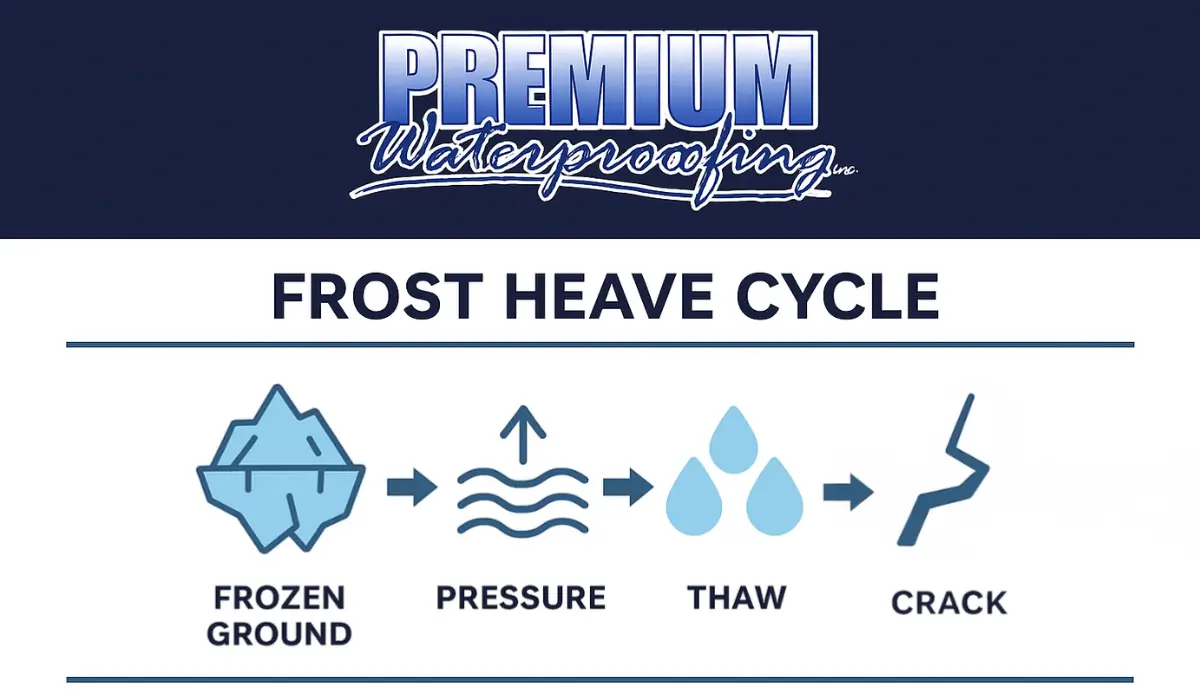
Foundation movement caused by cold weather rarely begins with a dramatic crack—it often starts with subtle shifts that many homeowners in Glen Ellyn overlook. These early signs can appear gradually, often worsening as freeze-thaw cycles repeat throughout winter.
In colder months, foundation materials contract slightly, and when combined with shifting soil, that contraction introduces tension where there was once balance. The result is visible in these small but meaningful changes.
📌 A national engineering survey of residential properties found that over 60% of homes in cold-weather climates experience some form of seasonal movement—but only a small fraction receive timely inspection. The earlier issues are caught, the more likely repairs can be limited to non-invasive solutions like crack sealing or interior drainage.
Seeing just one of these signs may not warrant immediate concern. But noticing multiple symptoms—especially during or after a freeze—often means the underlying stress is active. Addressing these early can prevent the need for major interventions in spring.
Late fall through early winter offers the best conditions to evaluate and address foundation movement. The ground hasn’t fully frozen, moisture levels are easier to measure, and soil is still workable for repair crews. Once winter sets in, it becomes more difficult to:
Waiting until spring often means months of hidden movement. Freeze-thaw cycles create pressure, and saturated soil from melting snow adds weight around the foundation. That combination tends to reveal deeper issues after the damage has already spread—especially in areas needing crawl space encapsulation or drainage repair.
By the time warmer weather returns, repairs can be more complex due to:
Short-term fixes—like applying surface sealants or redirecting downspouts—might slow water intrusion, but they don’t stop the underlying structural movement. When cracks or bowing walls are involved, delaying repairs only increases long-term risk.
Scheduling an inspection before the deep freeze gives homeowners more control, more options, and often, lower repair costs. When repairs are made in stable soil and drier conditions, they last longer and protect the home more effectively.

Cold weather movement can damage your foundation before you see the signs. Contact us today and stop winter pressure from making it worse.
An experienced inspector evaluates more than just surface cracks. Premium Waterproofing provides winter-specific foundation evaluations designed to identify early signs of movement before they become structural problems. These assessments include:
Homes across Glen Ellyn face higher risk during winter due to freeze-prone soils and aging construction. In extreme cases, basements have shifted as much as ¾ of an inch in just one season—enough to cause visible cracks, uneven floors, or bowed walls by spring.
Not all cracks signal structural damage, but many start that way. Getting a professional inspection before January allows time to catch and correct issues early—before freezing soil and expanding moisture make conditions worse.
Winter has a way of turning small home issues into major headaches. What starts as a faint wall crack or a slightly uneven floor can quickly escalate once cold temperatures set in. As pressure builds underground, foundation movement becomes more severe, leading to water intrusion, structural stress, and repairs that are far more costly by spring.
Whether cracks have started to form or signs of movement are raising concern, Premium Waterproofing helps Glen Ellyn homeowners take early action with trusted foundation repair solutions designed to prevent lasting damage. Acting now protects your home where it matters most—before winter pressure makes small problems harder to fix.
Worried about foundation shifts this winter?
Let our experts check it before the freeze makes it worse.